




Meeting a client in person sounds routine for creators who offer custom content, companionship experiences, or adult services. For a growing number of creators, though, that meeting is the most dangerous moment in their entire business operation.
The adult creator economy has built sophisticated tools around digital safety. Two-factor authentication, anonymous payment processors, geo-blocked content, watermarked media, and the industry has spent years hardening its online infrastructure. What it has not solved is what happens when the screen goes dark, and a creator steps through a door.
No platform algorithm, no DM filter, and no terms of service document follows you into a stranger’s apartment.
CoCo-ATL

Quick Picks: In-Person Safety Basics Every Creator Should Have in Place
- Screen clients before meeting. Look up their phone number, verify their identity, and confirm intent before agreeing to anything in person.
- Ask the hard questions upfront. Some creators ask directly whether the client is affiliated with law enforcement or any sting operation. Knowing where you stand legally before a meeting is not paranoia — it is due diligence.
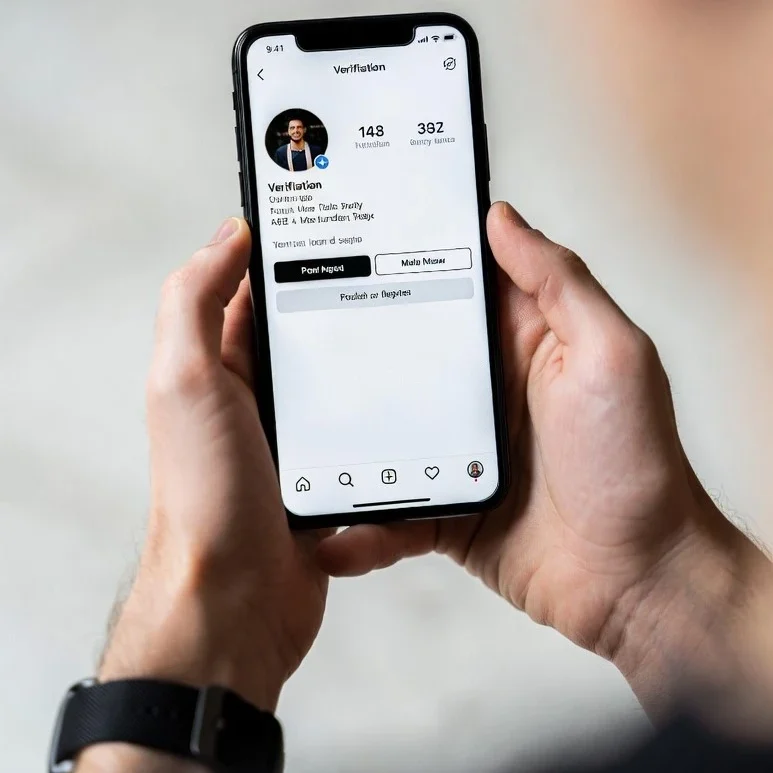
- Require video verification. A live video call before meeting confirms the client is who they claim to be and filters out bad actors early.
- Never meet at a client’s private residence for a first meeting. Neutral locations reduce isolation risk significantly.
- Share your location and a check-in schedule with someone you trust. A friend, fellow creator, or manager should know where you are and when to expect contact.
- Have an exit strategy before you arrive. Plan how to leave, not just how to get there.
- Trust discomfort as a signal. Resistance to your terms, pushback on location, or aggression during scheduling are data points worth acting on early.

The Gap Between Online Safety and Real-World Risk
Creators who monetize on Fansly, OnlyFans, or similar platforms often operate as solo businesses. They handle their own marketing, customer service, content production, and increasingly, in-person client interactions. That last category carries risks that no platform has a strong incentive to address, because platform liability stops at the edge of their servers.
Research consistently shows that creators and sex workers who operate primarily online experience lower rates of violence than those whose work moves offline. Sex workers who work primarily online experience less violence and report fewer instances of assault than their offline counterparts. Sage Journals. The moment a creator transitions from digital interaction to physical presence, that protective buffer disappears.
The dangers are not hypothetical. In February 2026, a Miami Beach incident involving an adult content creator and a client she had agreed to meet turned violent, resulting in felony battery charges, a reminder that in-person arrangements exist entirely outside the protections platforms provide. The creator, who advertised on Fansly and X, had met the client at his private apartment. The situation escalated quickly, and with no one else present.
Most creators who meet clients do so without incident. The problem is that incidents which do go wrong tend to go very wrong, very fast, and with no one nearby to help.
More Buzz

Why Creators Take the Risk
The financial logic is not hard to follow. Custom in-person content, fan meetups, and direct client services command significantly higher rates than standard subscription revenue. A single session can exceed what a creator earns in a week from passive subscriptions. For full-time creators running lean operations, that income is difficult to pass up.
There is also a familiarity dynamic at play. Long-term subscribers feel like people a creator knows. After months of direct messaging, voice notes, and personalized content, the perceived risk of meeting them drops in ways that are not always accurate. Familiarity is not the same as safety.
What Safer Looks Like in Practice
Experienced creators who do meet clients in person tend to operate with a consistent set of practices. None of them eliminate risk entirely, but they change the odds in meaningful ways.
The process starts before the first message gets a reply. One creator who regularly meets clients described her intake process in detail. She begins by looking up the client’s phone number online to see what surfaces — social media profiles, reviews, or red flags attached to that number. Before anything else is discussed, she asks directly whether the person is a law enforcement officer or part of any sting operation. It is a blunt question, and that is the point. It establishes immediately that she runs a professional operation and is not operating without awareness.
The next step is video verification. She requires potential clients to get on a live video call before any in-person meeting is confirmed. The call serves two purposes: it confirms the person is who they claim to be, and it gives her a real-time read on how they communicate and present themselves. A client who refuses a video call has answered a question she had not yet asked aloud.
When a client does arrive, she uses a brief physical greeting to gauge how the client responds to her direction in real time. How a man behaves in the first sixty seconds, whether he follows her lead, whether he is respectful, whether the energy feels right, tells her more than any text exchange. If something feels off in that moment, she still has the option to end it before anything else happens.
Beyond these individual practices, experienced creators share a few consistent structural habits. They meet in public first when dealing with a new client. A brief public meeting before any private arrangement gives a creator the chance to read someone face-to-face without being alone with them. They avoid private residences for initial meetings. A hotel lobby, a rented studio space, or another semi-public environment keeps options open. They charge a deposit and confirm identity before committing. Anyone who fights the deposit process is providing useful information early.
The Industry Has Work to Do
Platforms have a financial interest in keeping creators active and producing. A creator who is harmed, traumatized, or killed produces no content and generates no revenue. Despite that, no major adult platform has built meaningful safety infrastructure around in-person interactions. There is no vetted client database, no incident reporting system with real consequences, and no structured support for creators who experience violence or coercion off-platform.
Creator-led communities have started filling that gap through private warning lists, peer networks, and informal systems where bad actors get flagged before they can reach someone else. That grassroots infrastructure matters. It should not be the only infrastructure that exists.
Until platforms treat in-person creator safety as a product problem worth solving, the responsibility falls on individual creators to build their own systems. The good news is that the community already knows what works. The practices are there. Applying them consistently, even when a client feels familiar, even when the money is good, is what makes the difference.
For more on how creators are building sustainable, protected businesses, see our coverage of how creators are actually making money in 2025.
Real Girls News covers the business, risks, and evolution of the adult creator economy.
Know a creator who needs to read this? Send it to them. Creator safety content like this is part of what we are building at Real Girls News. More resources are coming—follow along so you do not miss them.